By Olivia Vallada
I love how the most random encounters or happenings in your life end up becoming the most influential and life-changing.
Such as when I had a bit of a life crisis last spring in Paris and decided to date men again (I call myself a lesbian with a few bumps on the road). The fact that I went on a date with a man is not that life-changing — we’ve been there, done that — but it’s the conversation that we had that left me questioning how we people deal with pleasure and shame. I had never met someone who was so raw and transparent from the start, and his honesty left me wondering what people actually do behind closed doors.
The date started, of course, with a glass of natural wine along Canal Saint-Martin. Halfway through, without really thinking much of it, I asked him what his biggest vice was. I expected something predictable like, “I smoke too much”, “I procrastinate”, or “I should probably call my mum more.” I didn’t mean it as some deep psychological question, just a casual way of getting to know him.
But he paused.
“Well… I do have tendencies to steal when I’m anxious,” he said, then paused again, watching my reaction.
I didn’t know what to say. What do you even say to someone who casually admits to kleptomaniac tendencies?
“Tell me more,” I said, taking another sip of my wine, preparing myself to play amateur psychologist.
He explained that when he feels anxious or under pressure, he sometimes turns to stealing to relieve the tension and calm himself down. “There’s also a kind of pleasure in it “, he said, “A brief sense of satisfaction, achievement, almost.” But then it’s quickly followed by guilt and shame for what he’s just done.
I know anxiety quite well. But coping with it by stealing, that was something I couldn’t quite understand.
There were many takeaways from that date, plenty of other things to reflect on, but I couldn’t stop thinking about that question of vice. My mind kept circling back to my own vicious behaviours that I continually indulge in but do not tell a single soul about. That is what made me so taken by this man, that he told me, because I, would never… but it also made me wonder what other vices people carry with them as they go about their days? The quiet ways each of us deals with anxiety, obsessions, intrusive thoughts, coping mechanisms and how we rarely speak about them. It’s something about the taboo of it. Even sharing this man’s story now, I am pretty sure people would side-eye him. And maybe that’s exactly what drew me in, the sense that this was something hidden, something charged, something worth exploring.
Of course, I’m fully aware that actions that cause harm or breach the social contract — theft, violence, exploitation, addiction — aren’t innocent little vices and carry real consequences. But that is not really the avenue I’m interested in exploring here. I’m more interested in the smaller, quieter behaviours; the things that bring pleasure while simultaneously producing shame.
For this man, it was kleptomaniac urges. For others, it could be workaholic tendencies, substance use, sexual behaviours, food indulgences, obsessive thoughts, jealousy, vanity, avoidance, whatever (the list will never end). But what actually makes any of these a vice? Where do these ideas of virtue, restraint, or acceptable behaviour even come from, and who decided what falls outside of them? I imagine a lot of it can be traced back to religion, culture, or social norms, but I still think you would get quite different answers depending on who you asked. So naturally, I started asking everyone around me.
“What’s your biggest vice?” became my new favourite question.
I asked my closest friends, people sitting next to me at bars, my favourite hairdresser, some selected Uber drivers, my fun aunt, and of course, the new people I went on dates with (no, it didn’t work out with the cute kleptomaniac boy, if anyone was wondering.) And for every answer I got, the more intrigued I became about what makes a vice viceful?
For one person, their vice was masturbation, not masturbation itself, but excess. It shouldn’t become obsessive. It should exist somewhere between excess and deficiency, what we in Sweden would call lagom. Otherwise, it crossed into something shameful.
For another person, their vice was enjoying being at work because it meant being away from their children. In the moment, it felt liberating, even pleasurable, but then the guilt would immediately creep in because they were enjoying precisely that, not being with their kids.
Someone else said they did not consider the ‘classical bad habits’, such as their casual sex and drugs, vices at all, because neither came with shame. Their real vice, they admitted, was the quiet competition they had with their colleague, always trying to look better than them, maybe leaving them off an email just to claim a little more credit. But is that a vice, or is that just capitalism?
What struck me most was how few of the vices people shared were inherently harmful. Weird, sometimes yes, uncomfortable to admit, often. But not particularly harmful. The problem was rarely the act itself. It was the enjoyment of it. Procrastination came up a lot. The guilty pleasure of just drifting, delaying, doing absolutely nothing, and then feeling terrible for not being productive enough. Or also eating sweets without “compensating” afterwards. So many people seemed caught in the same loop, pleasure and shame orbiting each other, neither one winning. As if fully enjoying something, without apology, was the most transgressive act of all.
But are any of these even vices?
The Cambridge Dictionary defines a vice as “a moral fault or weakness in someone’s character.” But who decides that fault? So much of it feels completely subjective, shaped by culture, upbringing, religion, class, gender, whatever invisible social codes we happen to inherit.
In fact, someone argued to me that modern society is actually blind to what the real vices are. That many socially acceptable modern behaviours, wellness obsession, clean-girl aesthetics, compulsive self-improvement, spending seven euros on artisanal matcha, are themselves indulgent, performative, maybe even shameful behaviours disguised as virtue. Which I found interesting. But then again, who decides what becomes morally shameful and what becomes aspirational?
Then some people rejected the idea of vice entirely, calling it “just human behaviour”. Sometimes people do good things, sometimes bad things. Sometimes we indulge ourselves. Sometimes we resist. Nothing deeper than that.
With all these answers and my newfound obsession with understanding how humans experience pleasure and pain, I decided I needed to document this.
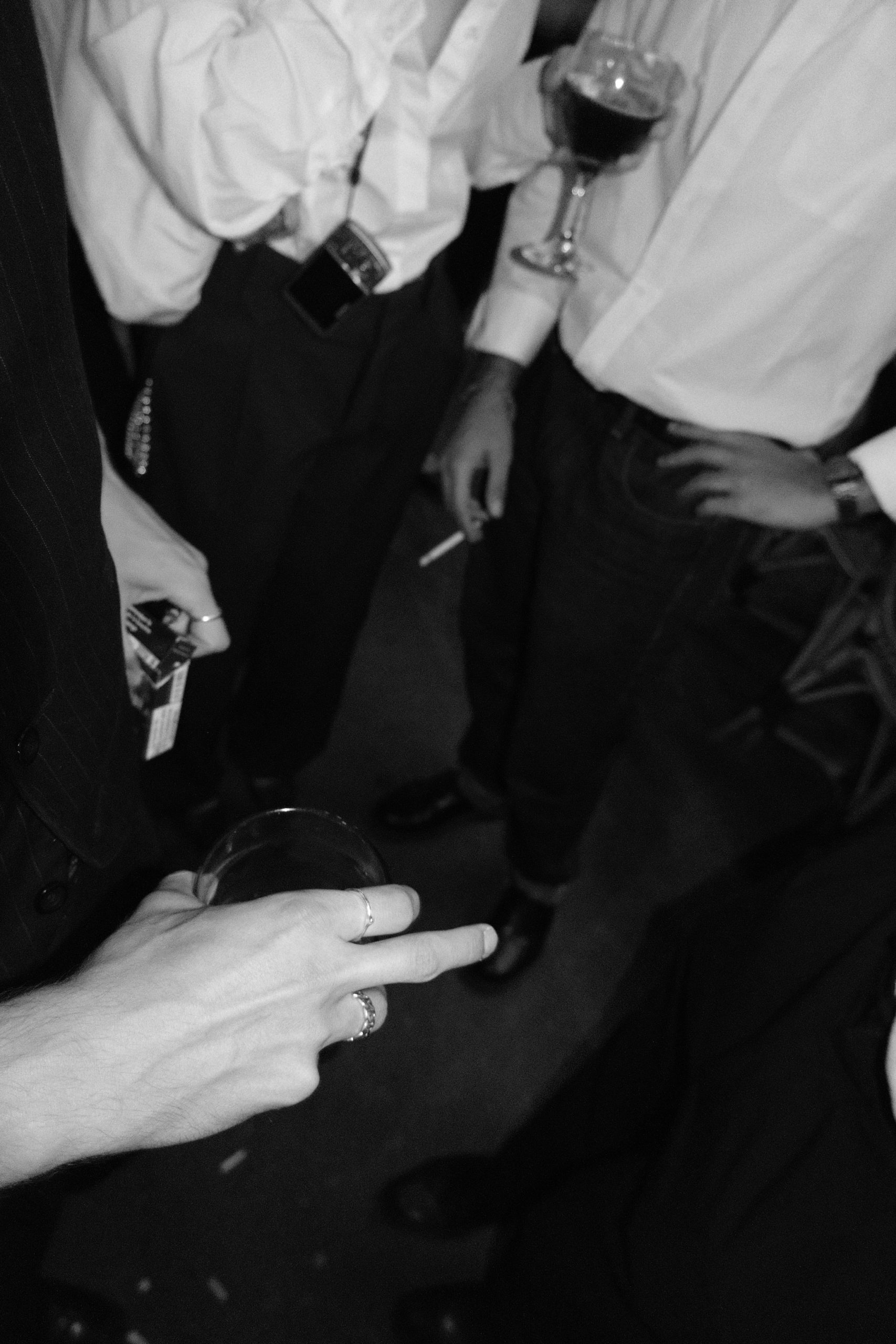
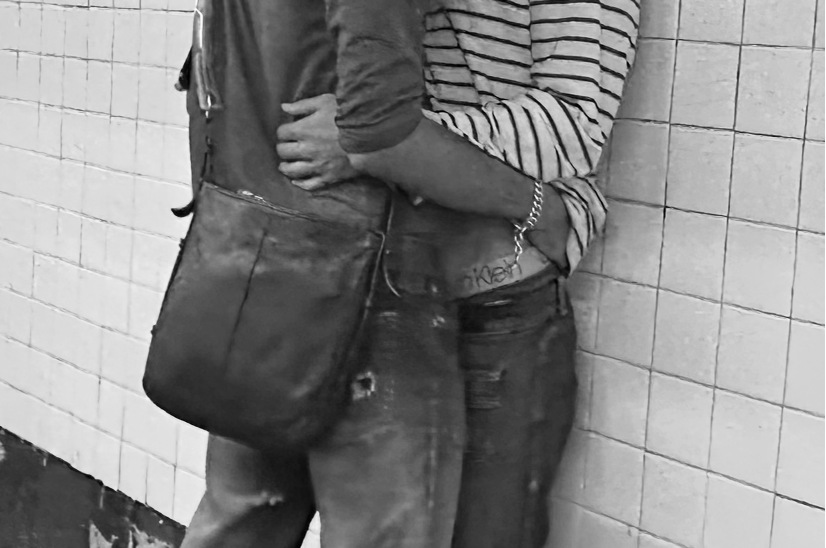
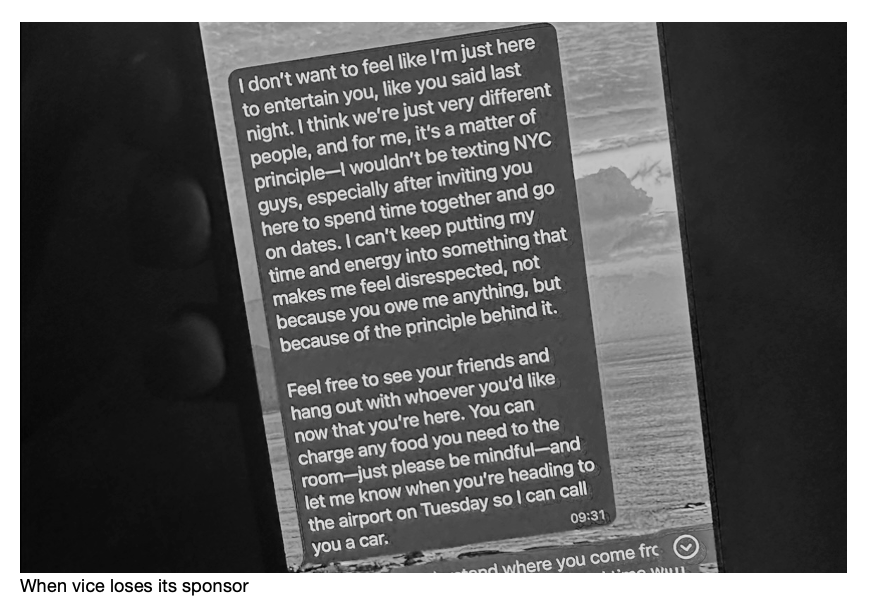
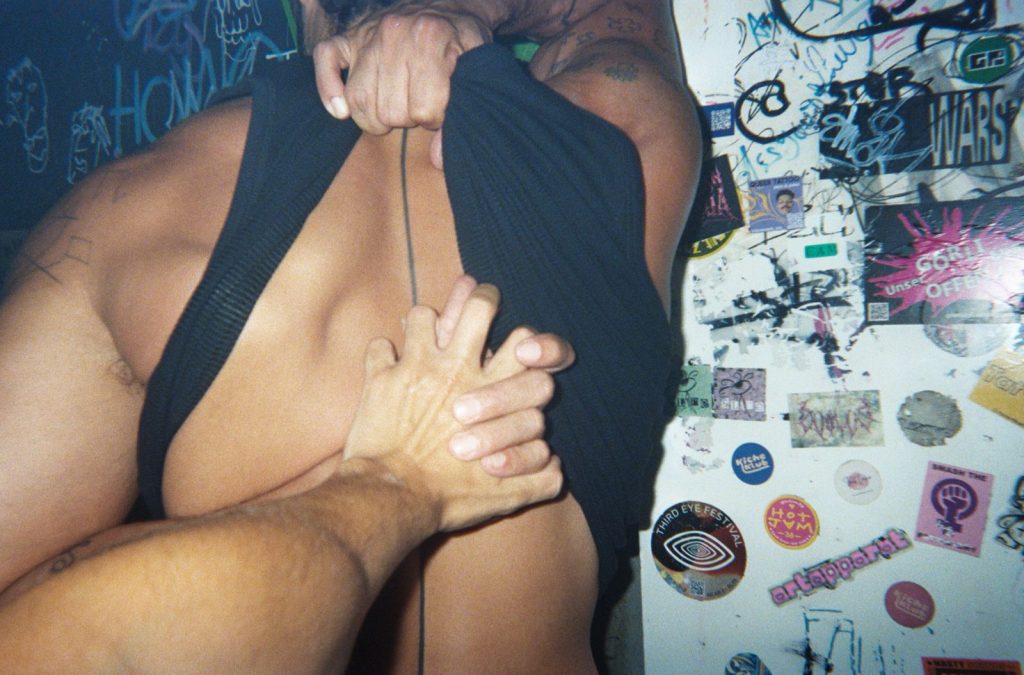
I bought a stack of disposable cameras and started asking people to capture their vices. I wanted to turn these viceful behaviours into something that you can grasp and relate to, an artistic exploration of what we usually keep hidden. I told them: photograph whatever represents your vice. It could be the act itself, the moment before, the thinking about it, or the quiet state that follows after.
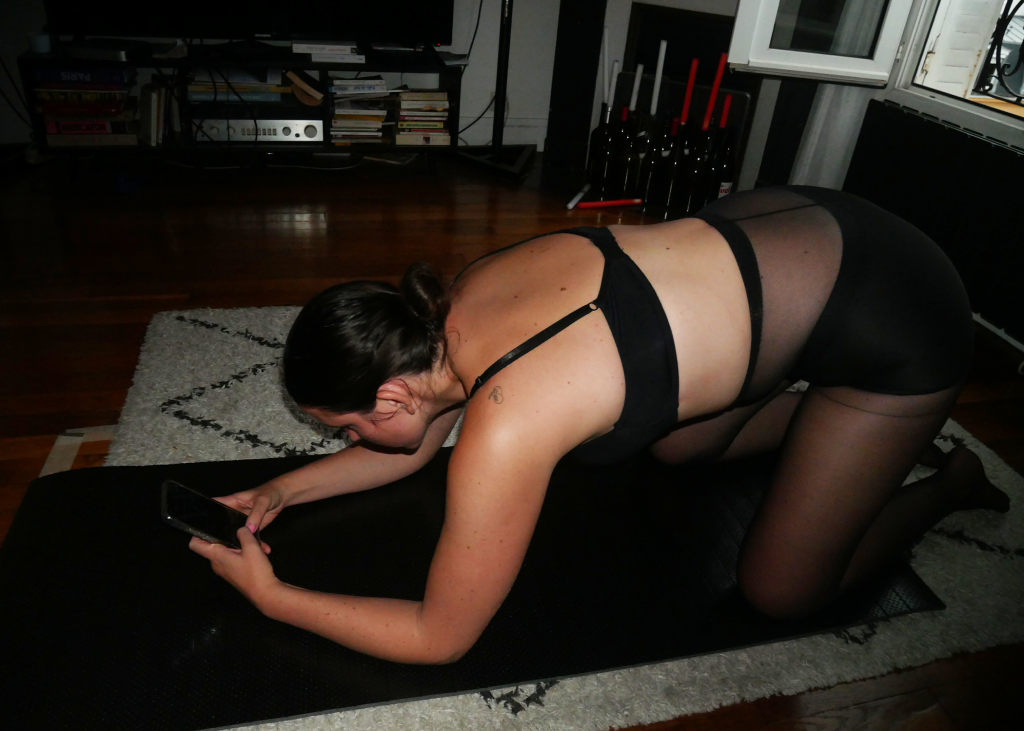
The images in this post are some of the ones I’ve received so far. Some you’ll understand straight away, while others might take some more time. But I know I need more. A wider, fuller picture of what modern vices actually look like, across different people, lives, and perspectives. That’s why I’m writing this, an open call.
I am collecting photographs and written reflections for what I’m calling the Vice Project: a visual and written archive of what we usually keep hidden. Something people can look at, sit with, and maybe recognise themselves in. The final form is still taking shape, but it will be a combination of images and words.
If you’d like to participate, whether through photography or by putting into words what a vice means to you, send me a message, and I’ll share more details. All subjects remain anonymous, but of course, credit where credit’s due!
Ig: @oliviavallada
Email: olivia.vallada@gmail.com
Substack: https://substack.com/@oliviavallada
Laisser un commentaire